
Why brand identity matters - even when you’re starting for free
A clear brand identity helps customers recognize, trust, and choose you over competitors. If you’re selling online on a shoestring budget, a free website builder can be one of the fastest ways to establish that identity without hiring a designer. The right builder gives you consistent templates, responsive layouts, and content tools so your online presence looks professional from the start. Explore the core options in the site creation area to find a builder that balances ease and control, for example the platform’s own website builder and setup flows tailored to small sellers.
Design that communicates: visuals, color and typography
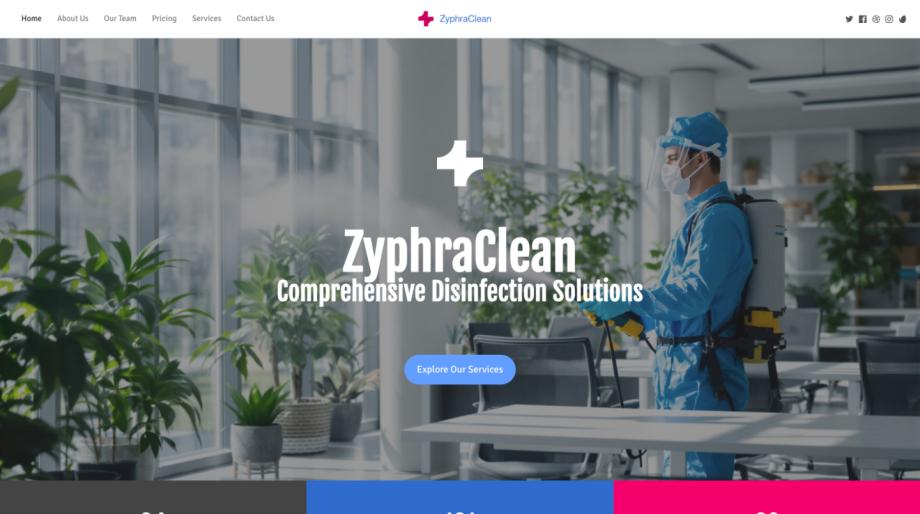
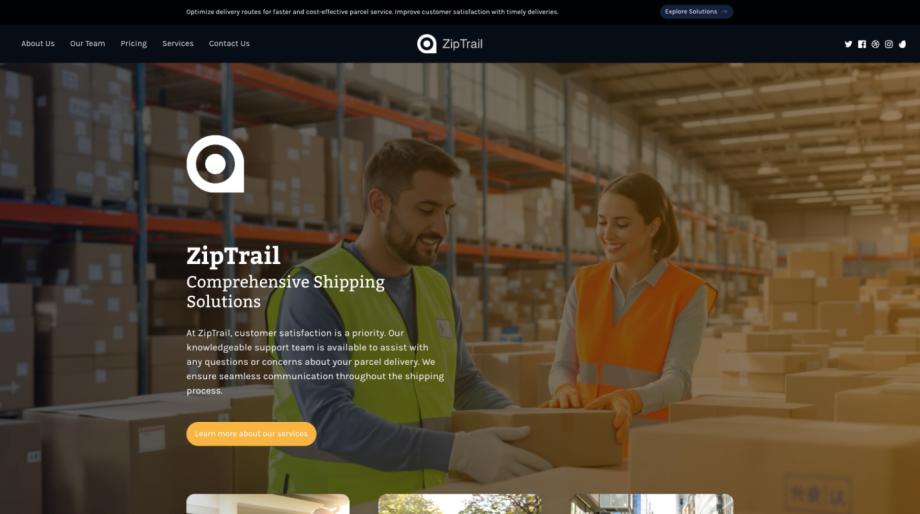
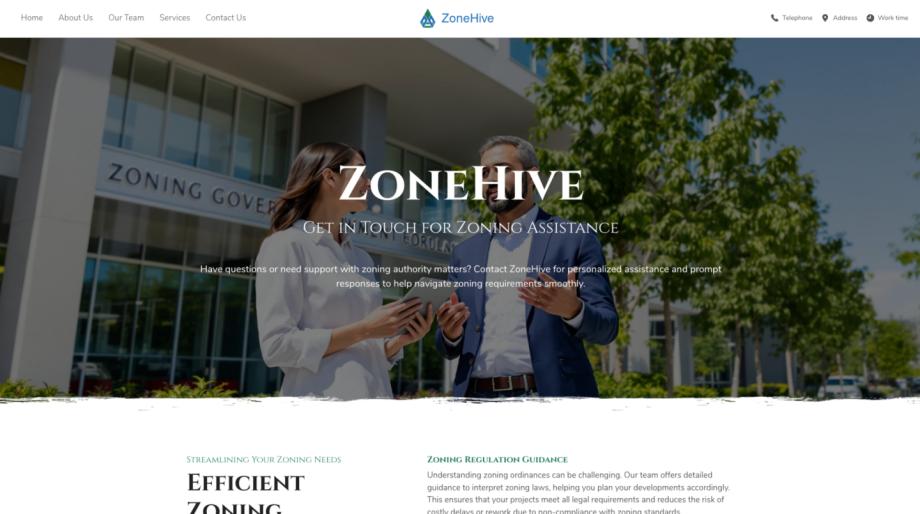
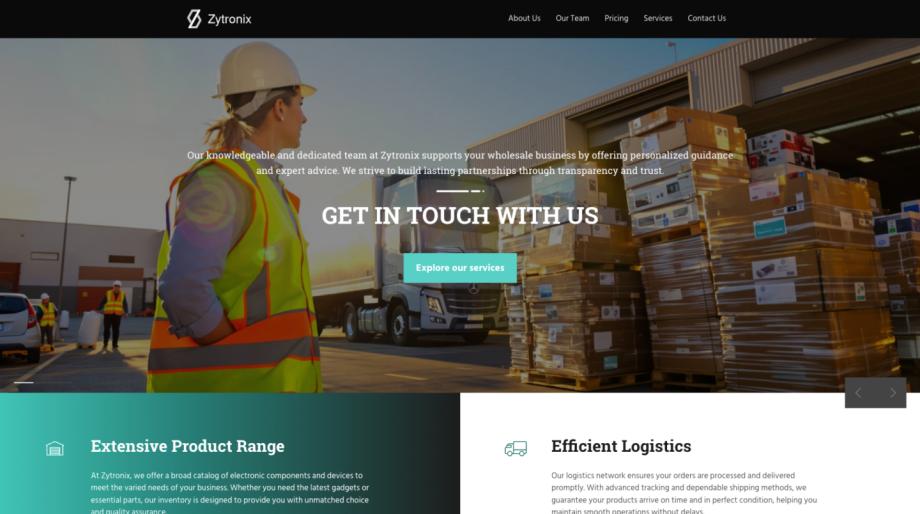
Your visual choices send immediate signals about your brand’s personality-serious, playful, artisanal, or luxe. Focus on three pillars:
- Logo and color palette: Pick one logo version and a palette of 3-4 colors (primary + accents). Apply them consistently across headers, buttons, and social images so customers associate those colors with your brand.
- Typography hierarchy: Use one display font for headlines and one readable font for body text. Limit yourself to two type families to avoid visual clutter; this is easier to enforce with templates from the site builder.
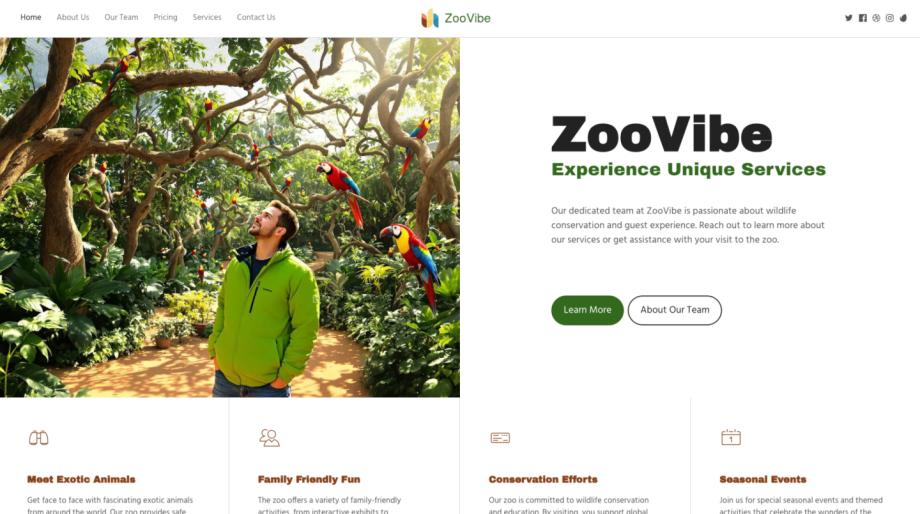
- Imagery and iconography: Real product photos and consistent icon styles build trust. Use an images library and an online image editor within your site tools to crop, retouch, and optimize photos so they match your brand’s tone.
Many free builders include a library of images and a simple online image editor so you can create cohesive visuals without expensive software. Use the visual content editor to lock styles site-wide-this keeps buttons, link colors, and spacing uniform as you add pages.
Content, UX and trust signals that reinforce identity
Brand identity lives in words and interactions as much as visuals. Make these elements work together:
- Clear messaging: Craft short, benefit-led headlines and an “about” section that tells why you do what you do. Your tone (friendly, expert, quirky) should be consistent across product descriptions, blog posts, and social bios. If you run a blog or personal content hub, check the platform’s options for personal website and blogs.
- Product presentation: For stores, product titles, descriptions, and photos form the backbone of your perceived professionalism. Integrate your e-commerce catalog so product pages carry the same brand elements-consider the e-commerce features and how they display prices, badges, and shipping info.
- Mobile-first experience: Over half of visitors browse on phones. Choose responsive templates and preview your site on different devices to ensure your layout and CTAs are consistent. Look into the builder’s responsive web design tools to make mobile feel native.
- Social proof and contact: Testimonials, reviews, and a clear contact path (email, FAQ, or chat) are essential trust signals. Adding a professional business email and visible support options creates a more credible brand presence.
Use the right tools and keep improving
Free builders often include modules that let you scale without switching providers. Start with the basics-consistent templates, an organized file system, and SEO basics-then add capabilities as you grow. For example, features like e-commerce sales dashboards and SEO tools help you understand what’s working. Keep assets tidy with a file manager, and schedule regular updates to visuals and copy to reflect new offerings or seasonal campaigns.
Finally, measure and iterate. Use built-in analytics and SEO features to see which pages attract visitors and which messaging converts. As your store grows, consider adding modules for shopping, course sales, or advanced integrations; the right upgrades let you preserve brand consistency while expanding functionality. Building a strong brand identity is an ongoing process-start with a cohesive look and clear messaging, then refine with data and the platform tools that make consistency simple.